


Bill 5 - Manitoba's Wildlife Amendment Act
A Legal Analysis

By C. Holoboff                                           April 2000


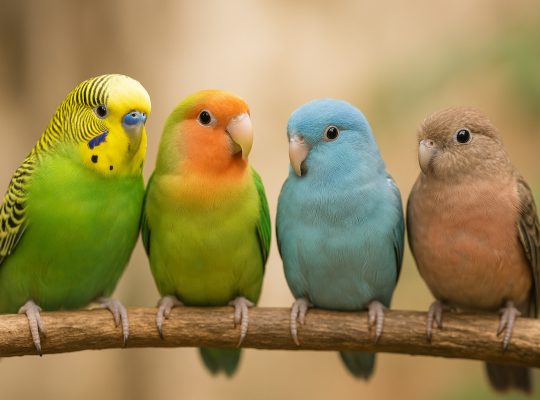
Manitoba is proposing amendments to its Wildlife Act which will have serious consequences for all bird owners in the province. People with pet birds, such as budgies, cockatiels, parrots, macaws and others, breeders for the pet trade and for conservation, researchers and educators, pet store owners, suppliers and manufacturers, zoos and aviculturists will all be affected.


THE PURPOSE OF THE AMENDMENTS

Ostensibly, the purpose of the amendments, according to Oscar Lathlin, the MLA proposing them, is to prohibit or regulate "penned hunting" of animals in private shooting preserves or wildlife farms. The amendments are supposed to deal with the commercial hunting of certain animals like wild boar, antelope and others that are currently carried on in private preserves.


THE EFFECT OF THE AMENDMENTS

After a careful review of the proposed amendments, there is no question that the actual effect, if not the real purpose, is to prohibit the keeping of all "wild" animals, exotic or native. In fact, the amendments go much further and will ban all exotic birds and animals even though they may be domestically bred, are completely tame and have never been in the wild.

The current Wildlife Act regulates hunting and trapping of native wild animals and deals with licensing hunters and trappers, regulating what animals can be hunted and creating offences for illegal hunting and trapping. The legislation promotes a conservation perspective and Sections 2 and 3 clearly state that the purpose is the "better management, conservation and enhancement of the wildlife resource of the province."

It deals primarily with animals in the wild and only peripherally with wild game farms and hunting preserves. The proposed changes will go much further.

Simply put, the amendments will make it illegal to own so-called "exotic wildlife" which will include all birds, parrots, budgies, canaries, lovebirds, macaws, finches and others. The new definition will include any animal wild by nature not indigenous to Manitoba and will apply to almost every non-native bird and animal in existence. The Act states that no one shall possess such an animal, which will include owning, keeping, breeding, selling or dealing with them in any way. The amendments go on to create strict liability offences presuming guilt and requiring a person charged with an offence to prove their innocence.


SUMMARY OF THE AMENDMENTS

"EXOTIC WILDLIFE"

The amendments introduce a new definition:

    "Exotic wildlife" means a live or dead animal of any species or type that is

      (a) wild by nature but not indigenous in the province, and is declared by the regulations       to be exotic wildlife,

      (b) a hybrid descendant of an animal described in clause (a), or

      (c) an egg, sperm, embryo or body part of an animal described in clause (a) or  (b)."


There are several problems with the definition:

  • It includes birds "wild by nature" even though they may have been domestically bred and kept for many years.
  • It does not exempt birds that have been bred domestically and that have not been taken out of the wild.
  • It does not exclude birds that have been legally acquired under Federal legislation.
  • Any bird can be declared prohibited merely by regulation, that is, a government bureaucrat will decide which ones will become illegal.
  • This clearly has nothing to do with penned hunting. How does one hunt "an egg, sperm, embryo or body part"? This wording is taken right out of "endangered species legislation" and gives the first clue that there is another agenda behind the proposals.

    "Wild by nature" does not mean "wild caught" and is extremely broad and unrestrictive. Most birds are considered to be wild by nature and the definition will include all parrots, budgies, cockatiels, canaries, finches, cockatoos, macaws and all other birds, whether native or foreign. Gordon Graham, a "legislative specialist" with the Manitoba Wildlife Conservation Branch has readily admitted that parrots and other pet birds definitely fall within the definition.

    It will include tame birds and pets, aviary birds, birds that are bred domestically and birds in zoos, universities and other research facilities. It will include all birds except chickens. It will probably include by definition turkeys, geese and ducks.

    It will include birds bred in Canada that have not been taken out of their wild habitat. It will include birds brought in legally under the Wild Animal and Plant Protection and Regulation of International and Interprovincial Trade Act, the Federal legislation which establishes a comprehensive code dealing with endangered species. It will include all species of birds regardless in which CITES Appendix they appear and even if they do not appear on the Control List at all. It will make birds illegal that are legal everywhere else in Canada under the Federal legislation.

    The proposed amendments ignore entirely the fact that all birds ordinarily kept as pets and companions and as aviary birds have been bred by domestic breeders and are domesticated for all intents and purposes.


    POSSESSION PROHIBITED

    Section 45 of the current Act then kicks in and provides that:

        "No person shall capture alive or have possession of any live wild animal."

    This will make it illegal to own and keep exotic birds, not just hunt them. It will make it an offence to simply possess them. Mr. Graham has said the legislation will only prevent "hunting of parrots," not keeping them, and that clearly is not the case.

    Enforcement officers will be able to search premises and vehicles, seize animals without a warrant and dispose of any live exotic wild animal in captivity by "selling, donating, killing and destroying it, or setting it free."

    Some other serious consequences of the amendments are:

  • In Manitoba it would be illegal to own, keep, possess, breed, propagate, import, export and otherwise deal with any exotic wildlife, including birds like parrots, budgies, lovebirds, macaws, canaries, finches, everything.
  • It would be illegal to possess an egg, sperm, embryo or body part of exotic wildlife.
    (This would include a feather!)
  • It would allow permits to possess exotic wildlife only for "educational or scientific purposes" or "any other purpose the Minister deems in the public interest".
  • Where a person is charged with keeping any exotic wildlife that is prohibited or having had it in his possession, he is presumed to have committed the offence with which he is charged.
    (In other words, you will be presumed guilty until proven innocent!)
  • It would prescribe conditions for the import, export and possession of any animal.
  • It would regulate the sale of exotic wildlife raised and kept in captivity and the sale of exotic wildlife brought into the province.
    (This is considerably more prohibitive than the current provision which merely regulates the sale of wild animals raised and kept in captivity on wildlife farms or brought into the province to start wildlife farms or private shooting preserves. In fact, it appears that the current law is sufficient to regulate penned hunting without the amendments.)
  • It would require licences for the possession, raising and propagation of exotic wildlife in captivity.
    (Again, this is much more prohibitive than the original section which dealt with licensing and regulating of shooting preserves and wildlife farms and the keeping, raising and propagation of wild animals on them.)
  •  

    CONCLUSIONS

    This goes way beyond banning penned hunting! Obviously someone has either been very careless in drafting these changes or is trying to expand the scope of the Act beyond regulation of hunting in order to target domestic breeding and ownership of all exotic species, including birds.

    The amendments to the Wildlife Act are a direct attack on people who keep "non traditional" pets or "exotic" birds and animals and is an attempt to ban them entirely in the Province of Manitoba. By definition, it would be illegal to keep a bird that is "wild by nature and not indigenous in the province", whether or not it was domestically bred or allowed under Federal legislation.

    If the purpose is to regulate penned hunting, why introduce concepts of "keeping and possession" when the Act currently refers throughout to "hunting, killing or taking"? Why do they now want to include "egg, sperm, embryo or body part" of exotic animals? How does this relate to penned hunting or to "the better management, conservation and enhancement of the wildlife resource of the province"?

    The intention to create what is known in law as a strict liability offence and reverse the burden of proof onto the owner of the animal to prove that it is legal is just beyond comprehension. This illustrates how dangerous these amendments really are.

    When I started reviewing them, I went in with an open mind fully believing their stated purpose. However, that opinion has changed completely and either the provincial officials who drafted the amendments have no idea what they are doing or are deliberately misleading the public. Oscar Lathlin, the MLA who is proposing the amendments, has said that they deal only with penned hunting. Either Mr. Lathlin does not know what the amendments really accomplish or he is deliberately misleading the public.


    PROPOSED CHANGES TO THE AMENDMENTS

    If the Government of Manitoba wants to prohibit or regulate hunting on private preserves, then it should propose legislation which deals specifically with it and not try to amend existing legislation designed to regulate hunting of animals in the wild. Frankly, I believe that the current Wildlife Act already provides for regulation of penned hunting in Section 90(gg) and (hh).

    Penned hunting does not involve only exotic animals; it also involves native species that have been bred for that purpose. Since this falls outside traditional hunting activities, it should be dealt with in its own legislation. It should be carefully drafted and extensively debated on its own merits so that it is clear what is intended and what rights are being affected.

    As a bare minimum, the following changes should be made to the proposed amendments:

  • Since "exotic" birds such as parrots, budgies, canaries, lovebirds, and myriad others are not kept for hunting, penned or otherwise, it makes no sense to have a definition that includes them in an Act regulating hunting. The objective is to prohibit penned hunting of all wildlife and the definition of "exotic wildlife" should be deleted entirely.
  • Words like "own", "possess", "keep", "breed", "raise", and "propagate" should be deleted. The only thing that should be prohibited is captive or penned "hunting", not the animals themselves.
  • If the Manitoba Legislative Assembly wants to deal with hunting of non-native animals, then it should be very careful in defining "exotic wildlife" and exclude those animals that are kept for purposes other than hunting. There is no reason to include birds that are kept and bred for pets, companions, conservation and research.
  • The law should specifically exclude any species that have been legally obtained under Federal legislation.
  • The Government should be extremely careful not to infringe on Federal jurisdiction where comprehensive legislation already exists. It makes it extremely difficult for people to understand the laws that govern them if there are several conflicting versions at the Provincial and Federal levels. It should not be illegal in Manitoba to own pet and other birds that you are allowed to bring into Canada under WAPPRIITA.
  • If, on the other hand, the government wants to pass laws banning exotic species outright, including those that have been historically kept as pets, then they should do so by tabling a specific act for that particular purpose and not try to hide it within unrelated legislation.

    It is both unfair and dishonest to attempt to disguise such serious legislation in an Act which is intended only to regulate hunting and trapping. It is particularly disturbing to hear it defended as a response to "strong concerns over the ethics of penned hunting" on the part of the people of Manitoba, as Mr. Lathlin has suggested.

    In drafting such legislation, the Government should ensure that all stakeholders, including pet owners, breeders, retailers, manufacturers and aviculturists, have input and are heard. There are thousands of people in Manitoba which will be affected by this kind of legislation and who will not appreciate its implications until after it has been passed and after it is too late to do anything about it.

    Otherwise, the legislation will bring untold grief and suffering to innocent owners of pet and companion birds that happen to be "exotic". It will damage a healthy and responsible pet industry in the province and open up pet retailers to harassment and prosecution. It will discourage the production and manufacture of food, cages, toys and other related products. Most regrettably, it will discourage and eliminate breeding both for the pet trade and for conservation purposes. Domestic breeders of exotic animals are helping to preserve them from extinction, not endangering them.


    THE SPECIFIC AMENDMENTS

    The following is a lengthy list of all of the proposed amendments. They should be studied carefully because they will have serious consequences and should be of concern to all of us.

    The amendments to the Wildlife Act would do the following:

  • Make it illegal to possess exotic wildlife in Manitoba. [Section 1 and 45]
  • Make it illegal to possess any hybrid descendant of exotic wildlife. [S. 1]
  • Make it illegal to possess an egg, sperm, embryo or body part of exotic wildlife. [S.1]
  • Authorize an officer under the Act to "kill, capture or take any exotic wildlife" for the purposes of management, research or protection of property. [S. 64(1)]
  • Allow permits to possess exotic of wildlife only for "educational or scientific purposes" or "any other purpose the Minister deems in the public interest". [S. 65]
  • Allow an enforcement officer to seize exotic wildlife. [S. 71(1)(a)]
  • Allow a warrant to be issued to search any building or any other place for exotic wildlife. [S. 71(2)(b)]
  • Allow an officer to seize without a warrant any exotic wildlife. [S. 71(3)(b)]
  • Authorize an officer to seize an animal which he believes has a disease for the purpose of performing an examination and to have it destroyed. [S. 71(4)]
  • Inspect any exotic wildlife found in a vehicle. [S. 73(2)]
  • Where a person is charged for having kept any exotic wildlife that is prohibited or having had it in his possession, he is presumed to have committed the offence with which he is charged. [S. 76]
  • Allow the government to enter into agreements with the federal government, other provinces, countries, local governments or any group or person for the joint management of exotic wildlife or enforcement of laws or joint programs for the control of damage caused by exotic wildlife. [S.84(1)(a) and (f)]
  • Prohibit legal proceedings against the Province for death, personal injury or property damage caused by any wildlife or exotic wildlife. [S. 85(2)]
  • Section 86(2) should also have been amended to allow a person who has a permit to keep exotic wildlife to have the same property rights in it as a person who has a permit to keep native wildlife. They seemed to have missed this.
  • Allow the government to dispose of the carcass of or any live exotic wild animal in captivity by "selling, donating, killing and destroying it, or setting it free". [S. 87(1) and (2)]
  • Allow the government to pass regulations prohibiting or regulating the hunting, killing, trapping, taking, capturing, baiting or attracting of a species or type of wildlife or exotic wildlife. [S. 90(g)]
  • Allow the government to regulate the use and management of and the hunting of wildlife or exotic wildlife in a "public shooting ground" including issuing licenses [S.90(k)].
  • Allow the government to regulate any activity associated with exotic wildlife for the purpose of protecting persons, livestock, crops or other property. [S. 90(k.1)]
  • Regulate the use of dogs for hunting or trapping exotic wildlife. [S. 90(n)]
  • Regulate the use of blinds, decoys, baits, attractants and other agents in hunting, trapping, capture, observation, feeding, care and possession or husbandry of wildlife or exotic wildlife. [S. 90(o)]
  • Regulate the use of snares to catch exotic wildlife. [S. 90(p)]
  • Regulate the use of firearms for hunting and trapping exotic wildlife. [S. 90(q)(i)]
  • Prescribe the colour and type of dress to be worn when hunting exotic wildlife. [S.90(s)]
  • Regulate the possession of exotic wildlife. [S. 90(z)]
  • Prohibit or regulate the importation into and possession within the province of any animal. [S. 90(cc)]
  • Prescribe conditions for the import, export and possession of any animal. [S. 90(dd)]
  • Regulate the sale of exotic wildlife raised and kept in captivity. [S. 90(gg)]
  • Regulate the sale of exotic wildlife brought into the province. [S. 90(gg.1)]
  • Control licensing and the operation of shooting preserves and the keeping, raising and propagation of wildlife and exotic wildlife in captivity. [S. 90(hh)]
  • Regulate the hunting, trapping, killing, taking or capturing of exotic wildlife for gain, remuneration or reward. [S. 90(qq)]
  •  

    When you review these amendments, it becomes apparent how far-reaching, intrusive and serious they are. Some are downright ludicrous.

    They certainly have nothing to do with "penned hunting", nor with conservation for that matter. One has to ask what they have to do with the stated purpose of the Wildlife Act which is "the better management, conservation and enhancement of the wildlife resource of the province".

    The problem with Bill 5 is that the legislative drafters are attempting to manipulate existing legislation that was designed for one purpose (regulating the hunting and trapping of native animals in the wild) for use for an entirely different purpose (banning penned hunting of "exotic" animals in captivity).

    The current Wildlife Act is clear in its objectives. It deals with hunting and trapping of native species and is intended for conservation purposes and safe hunting practices. The current Act has nothing to do, and should not have anything to do, with exotic species, their conservation or "enhancement". This is dealt with by federal legislation like the Wild Animal and Plant Protection and Regulation of International and Inter-provincial Trade Act (WAPPRIITA) and international regulations like the Convention on International Trade in Endangered Species (CITES).

    It would have been much better if the proponents of this legislation had drafted an entirely new act dealing with penned hunting, rather than trying to massage the current Act to do the same.

    Also, given the broad scope of the proposed regulatory powers, the Government obviously has not taken into the consideration the extensive work and cost that will be involved if these amendments are implemented. In addition to regulating penned hunting, they will have to establish an entirely new bureaucracy for the regulation of the breeding, importation, keeping, sale and "other activity" involving all exotic animals, birds included.

    This is just another example of poorly thought-out and carelessly written legislation which creates unworkable or counterproductive laws. On the other hand, perhaps it is exactly what was intended.

    I would ask every MLA in Manitoba to oppose these amendments and to insist on simple legislation dealing only with penned hunting of all wild animals, if that is what Manitobans want. I would also ask them to identify who drafted this legislation and its real purpose.


    Christopher Holoboff
    Director AACC, PAC, BFBS


      About Us

    Membership
    Information

    Executive
    Committee

     Constitution

    Model Aviculture
    Program

      Legislation
    Articles

    Breeder
    Consortium

     Great Poobar
    Chronicles

    Links

    Spirit of Aviculture
    Award